Skip to content
100% COMPOSTABLE, PLASTIC FREE PACKAGING WITH FREE LOCAL DELIVERY!

Spoil your dog, not the planet

Simple, practical ways to care for your dog better — and reduce waste where it actually matters. Written from real life with senior dachshund Mash (who has opinions on everything, especially snacks).

The Ultimate Guide to Sustainable Dog Ownership in the UK

Sustainable dog ownership is about making thoughtful, everyday choices that are better for your dog and kinder to the planet — without overcomplicating either.

It isn’t about being perfect. It’s about reducing waste where you can, choosing better-quality products, and focusing on what truly improves your dog’s wellbeing.

I have created this guide to help you make sustainable choices that are simple, practical, and realistic for real life with dogs and it's based on my experience living with senior dachshund Mash — not theory, not trends, and definitely not perfection!
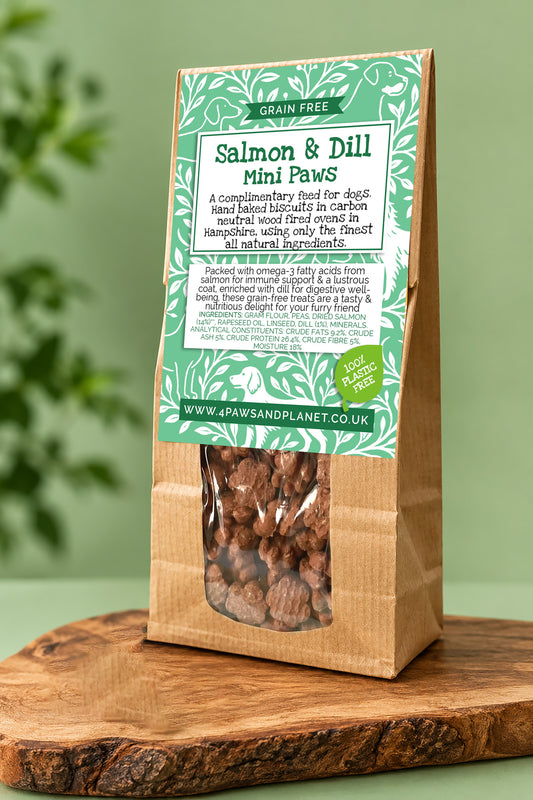
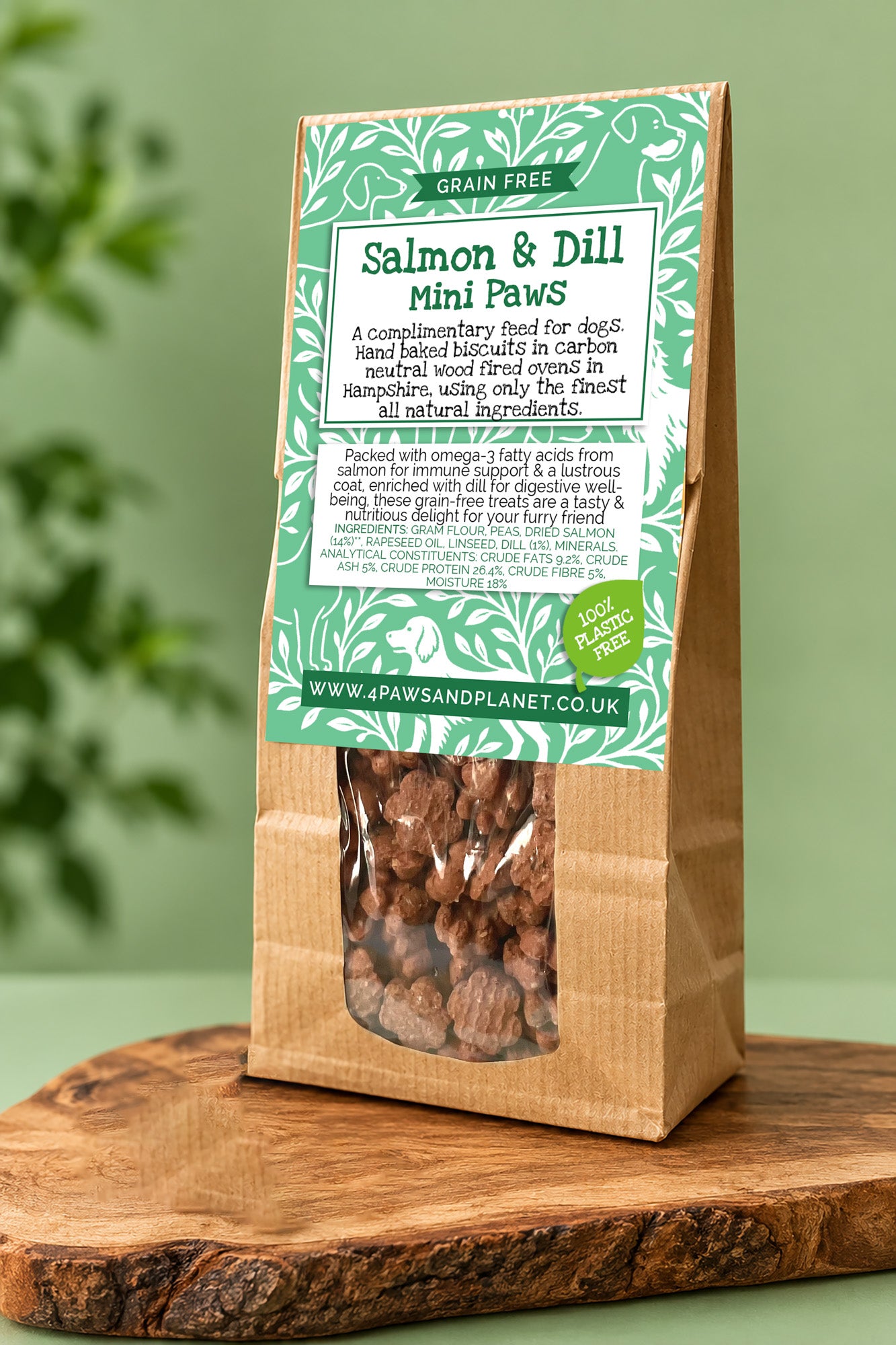
Better choices for dogs, simpler choices for you

  • Better choices for your dog

    How to choose treats, toys, and products that actually last and work for your dog.

  • Less waste, less guesswork

    Simple ways to reduce overbuying and unnecessary packaging.

  • Real-life dog care

    What sustainable ownership looks like in everyday life — not theory.

  • Life with senior dogs

    What changes as dogs age and what actually matters more over time.

🌱 What Does Sustainable Dog Ownership Actually Look Like in Real Life?

Sustainable dog ownership is about making everyday choices that are better for your dog’s wellbeing and reduce unnecessary environmental impact — from the treats you buy to the products you bring into your home.

It isn’t about being perfect. It’s about doing things a little better over time.

This guide explains what that looks like in real life in the UK, based on experience with my own senior dachshund Mash — not trends, theory, or idealised pet ownership.

🐶 What is sustainable dog ownership?

Sustainable dog ownership is simply about caring for your dog in a way that balances wellbeing, practicality, and reduced waste.

It means:

  • Buying fewer but better-quality products
  • Choosing items that last longer
  • Reducing unnecessary packaging
  • Focusing on what your dog actually uses

It is not about perfection. It is about making better decisions over time and more often than not it saves you money making these choices.

Why does sustainable dog ownership matter?

Dogs are part of our everyday lives, which means their impact comes from repeated habits over many years.

That includes treats, toys, grooming, packaging, and everything we replace along the way.

Small changes — repeated over time — can significantly reduce waste without affecting your dog’s happiness or care.

For me, it becomes less about sustainability as a concept, and more about buying less, choosing better, and wasting less.

What makes dog treats more sustainable?

The most sustainable dog treats are the ones that are actually used and enjoyed.

Look for:

  • Simple, natural ingredients
  • Honest sourcing
  • Minimal packaging
  • Treats your dog actually wants

A treat that goes uneaten is waste — no matter how it’s marketed.

Woof! A message from Mash

Mash has never been interested in novelty. If he likes something, it sticks. If he doesn't, it quickly becomes floor décor.

Over the years, that's made him a surprisingly honest test for what actually works in real life. He doesn't care about trends, marketing claims, or fancy packaging. He cares whether something is enjoyable, useful, and worth his attention - sometimes it can be as simple as a loo roll core stuffed with treats or a tea towel rolled up with treats in for him to discover!

As dog owners, we can sometimes overcomplicate things. Dogs like Mash are often a good reminder that the best products aren't always the newest or most exciting — they're the ones that genuinely improve a dog's day 🐾

Dog Toys & Enrichment

Share information about your brand with your customers. Describe a product, make announcements, or welcome customers to your store.

Do dogs really need lots of toys?

Dogs are usually motivated by:

  • Interaction with their owner
  • Sniffing and exploring
  • Routine and familiarity
  • Food-based rewards

In many cases, fewer toys used well are better than constantly buying new ones.

Why not try rotating your dogs toys only letting them have a couple at a time then when they're getting bored with them swap it our with another one for a while.

DIY ENRICHMENT IDEAS

We are all aware how expensive good enrichment games are for dogs and let's face it, once they've sussed how to get the reward the toy is then as good as useless.

So how do we keep our dogs engaged whilst not breaking the bank and having piles of unused enrichment games at home?

Check out or DIY Enrichment ideas using everyday household items you'll have lying around

Woof! A message from Mash

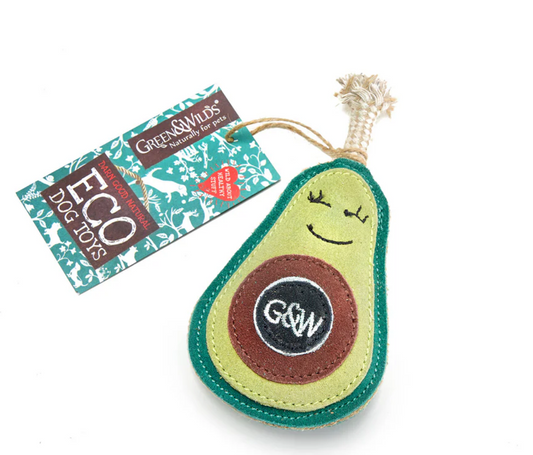
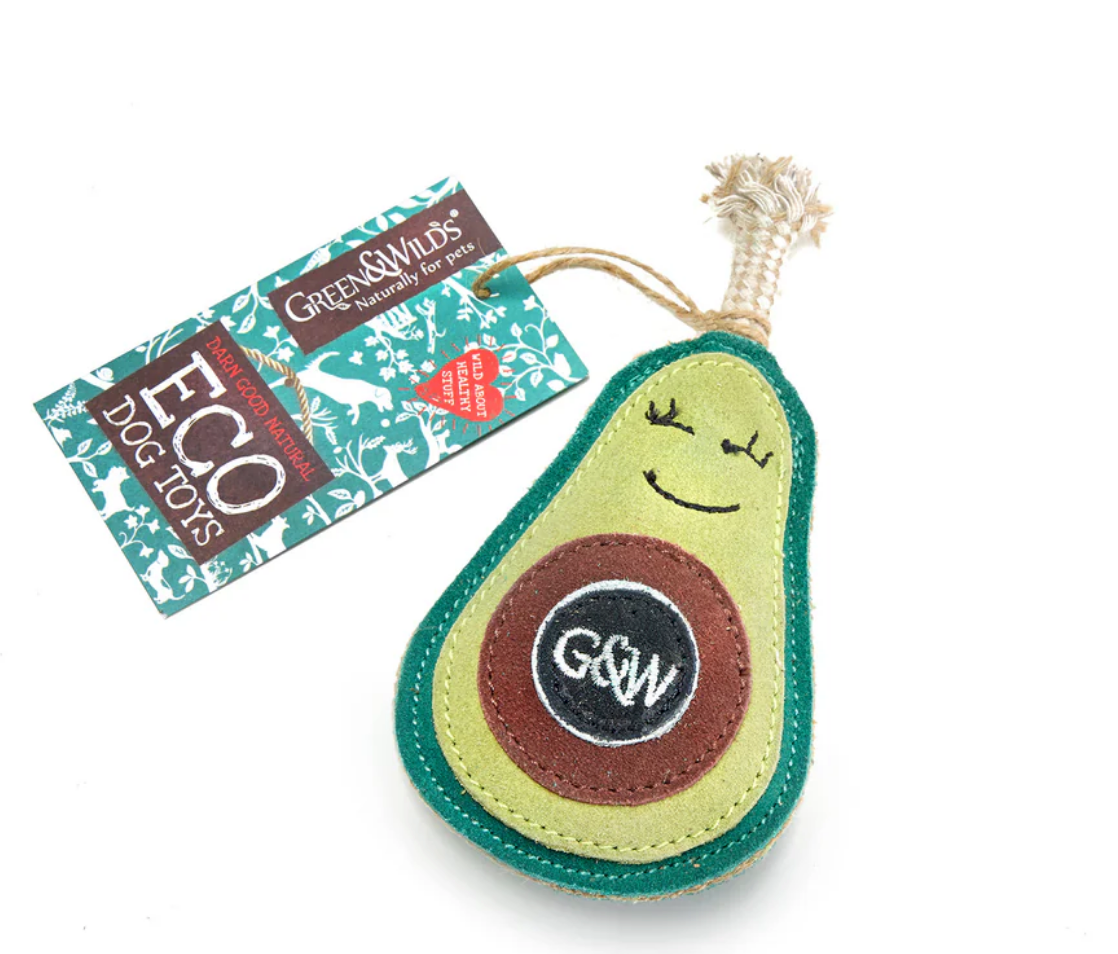
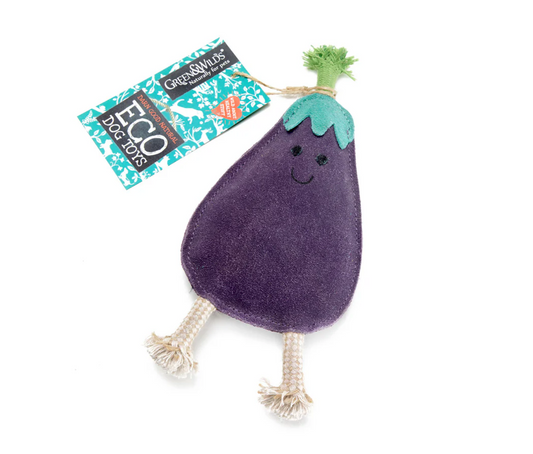
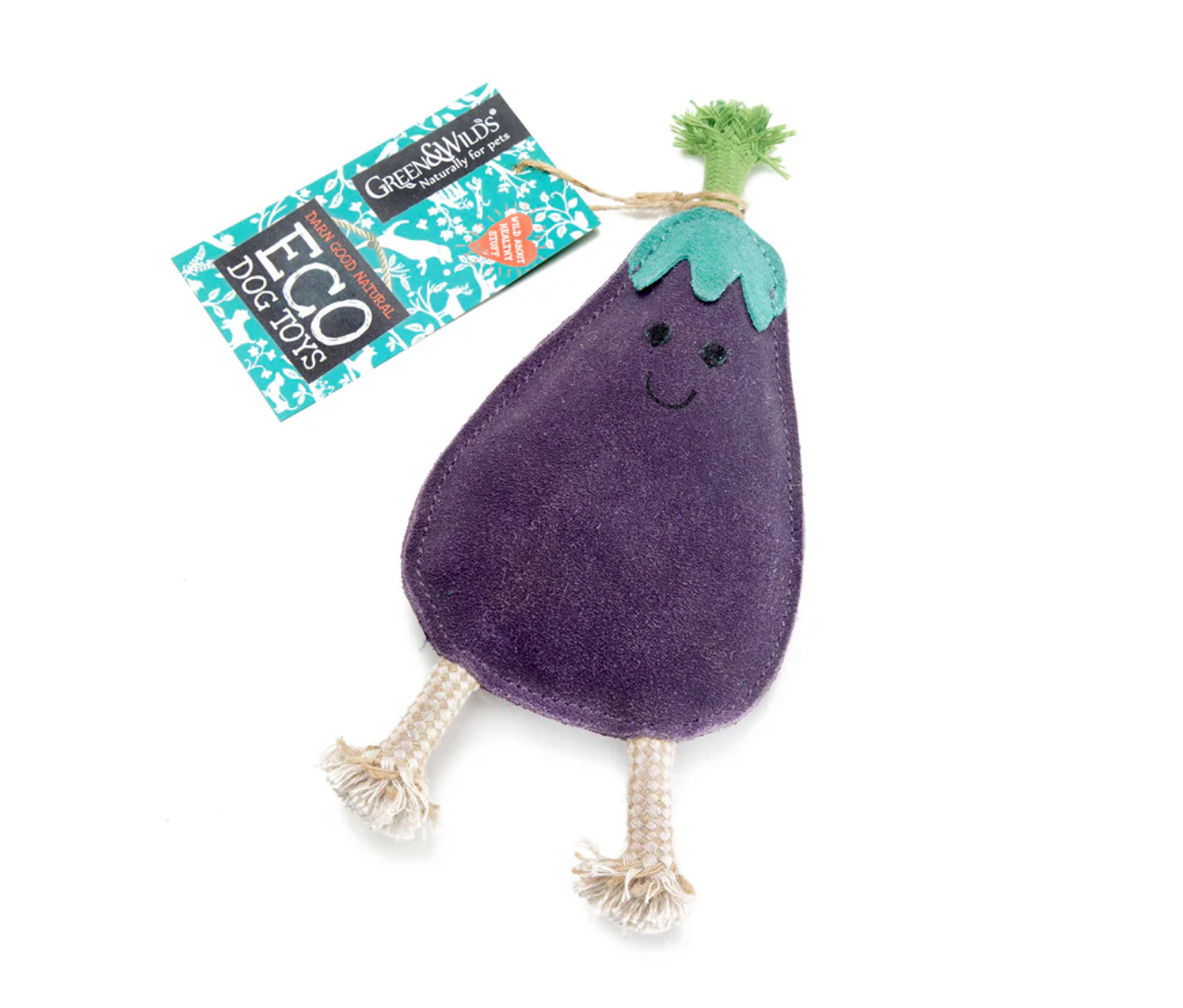
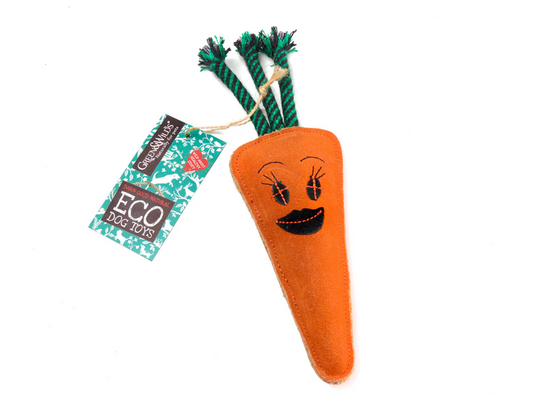
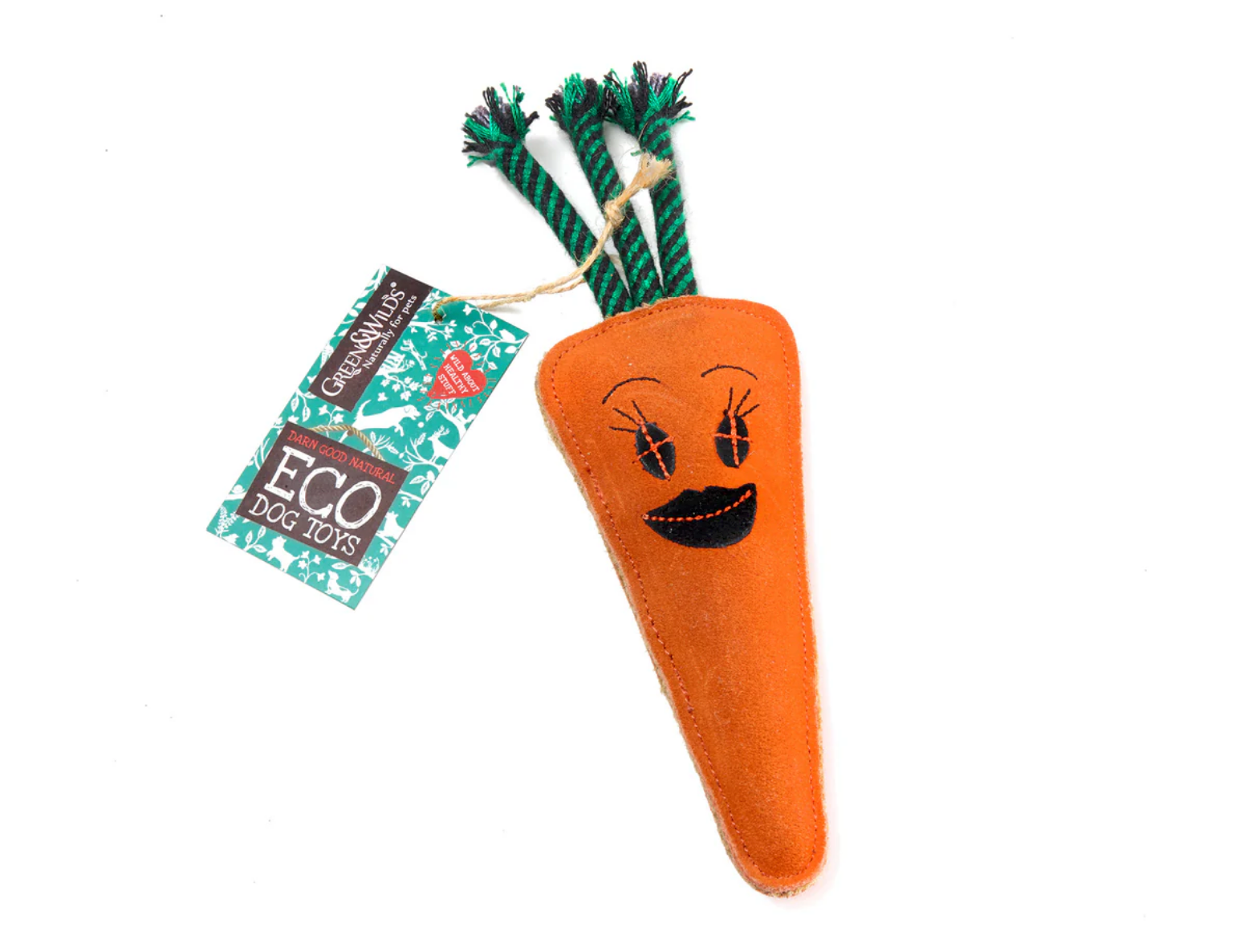
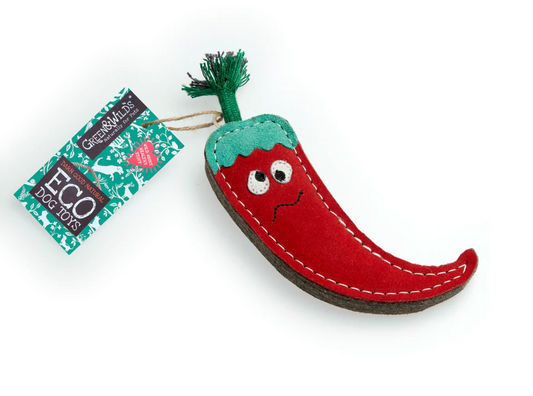
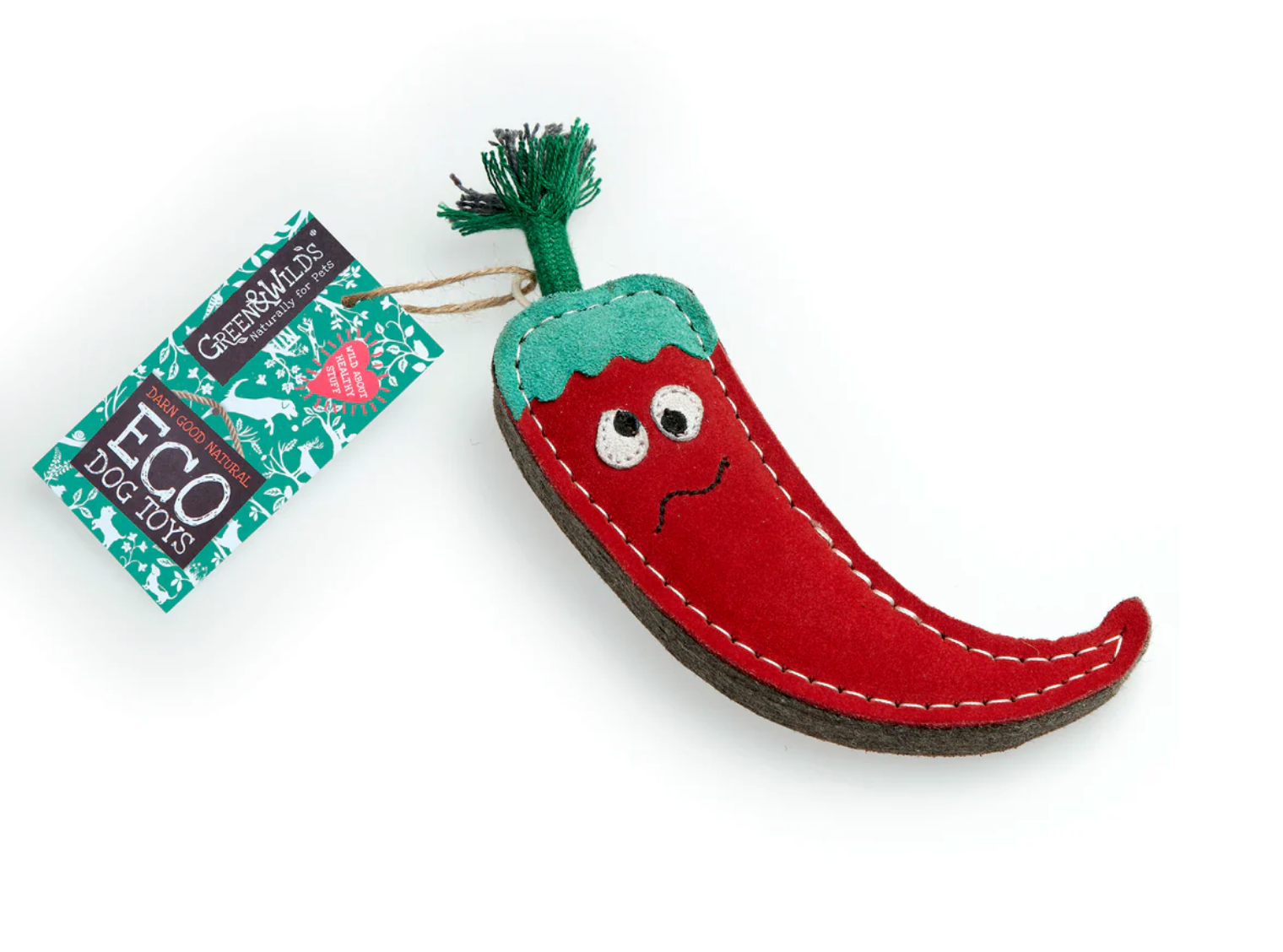
Mash used to destroy toys in a matter of minutes, he loved to pull off ears, eyes, noses you name it! Until I discovered Green & Wild's... Even though he's destuffed his carrot, he still goes back to it time and time again for a nuzzle and a chew.

Now he's getting on in years I notive that he's not as interested in toys as he used to be - the change wasn’t sudden — it was gradual.

Less interest in toys. More interest in routine, comfort, and snacks delivered on schedule.

That’s a normal part of ageing for many dogs. 🐾

How can you reduce waste as a dog owner?

Most waste comes from overbuying, not from one single product.

The most effective changes are:

  • Buying fewer, better-quality items
  • Avoiding unnecessary duplicates
  • Only replacing things when needed
  • Choosing products that last longer
  • Making the decision to reduce the amount of plastic packaging

Sustainability is often more about restraint than restriction.

What do dogs actually need to be happy?

Most dogs need far less than owners worry about providing.

A happy dog usually has:

  • A stable routine
  • Good food
  • Regular movement
  • Time and attention

Perfection is not required. Consistency matters more.

From treats and toys to senior dogs and sustainability, here are some of the questions I hear most often — along with the answers I've learned through life with dogs, including my own dachshund, Mash.

The Questions Every Dog Owner Ends Up Asking

Sustainable dog ownership means making thoughtful choices that support your dog's wellbeing while reducing unnecessary waste and environmental impact.

In practice, this can include buying fewer but better-quality products, choosing natural dog treats, avoiding unnecessary packaging, and focusing on items that genuinely improve your dog's quality of life.

Sustainable dog ownership is not about being perfect. It's about making small, realistic changes over time that are better for your dog, your wallet, and the planet.

No. Sustainable dog ownership is not about replacing everything you already own.

The most effective approach is usually to make gradual changes as products need replacing. For example, you might switch to natural dog treats, choose a longer-lasting toy, or opt for products with less packaging when the time comes.

Small changes made consistently are often more sustainable than trying to overhaul everything overnight.

Natural dog treats are often made with simpler ingredients and fewer artificial additives, which is why many dog owners prefer them.

However, there is no single "best" treat for every dog. The right treat depends on your dog's age, size, activity level, dietary requirements, and personal preferences.

When choosing treats, look for clear ingredient lists, appropriate portion sizes, and products that your dog genuinely enjoys. A natural treat that suits your dog is usually a better choice than an expensive treat that goes uneaten.

Dogs often become bored with toys when they no longer provide novelty, challenge, or interaction.

Many owners assume their dog needs more toys, when in reality they may need more variety in how those toys are used. Rotating toys, introducing scent-based games, or combining toys with training can help maintain interest.

It's also worth remembering that not all dogs are highly toy-motivated. Some dogs gain more enjoyment from sniffing walks, food-based enrichment, or spending time with their humans.

Enrichment is any activity that encourages your dog to use their natural instincts, senses, and problem-solving abilities.

Examples of dog enrichment include sniffing walks, puzzle feeders, training games, scent work, foraging activities, and exploring new environments.

Mental stimulation is just as important as physical exercise for many dogs. Regular enrichment can help reduce boredom, build confidence, and improve overall wellbeing.

The right number of treats depends on your dog's size, age, activity level, and overall diet.

As a general rule, treats should complement a balanced diet rather than replace it. Many experts recommend keeping treats to a small proportion of your dog's daily food intake.

It's also worth considering the size of the treat. Smaller rewards can often be just as effective for training and enrichment while helping to avoid overfeeding.

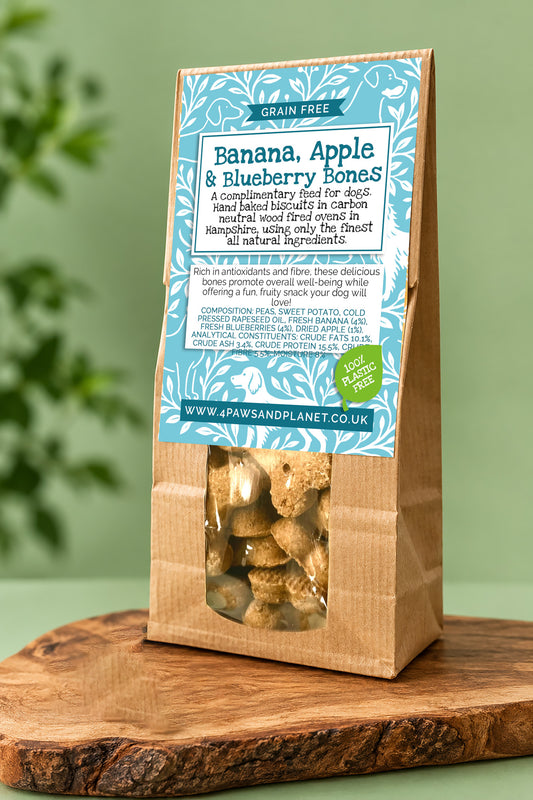
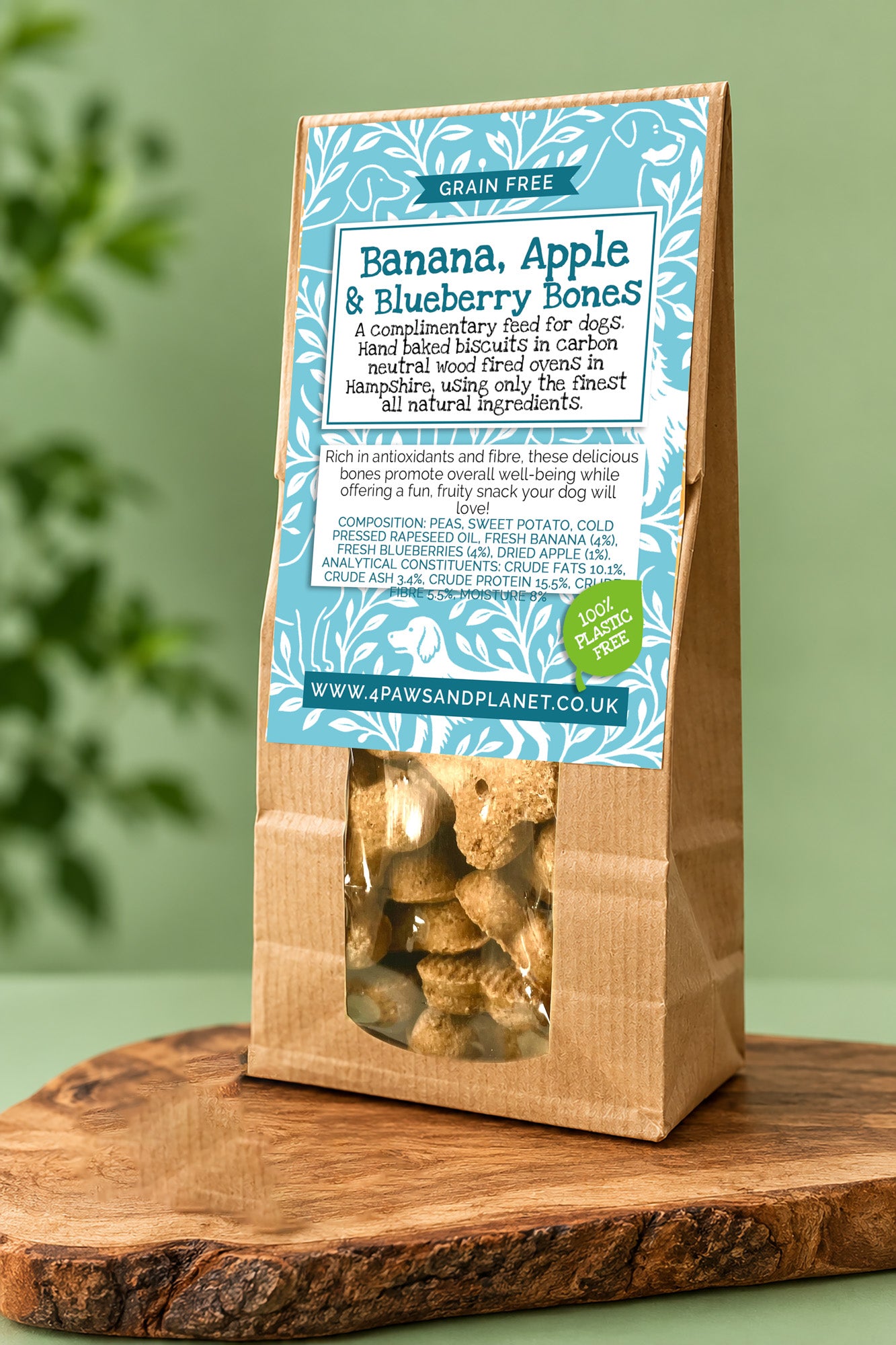
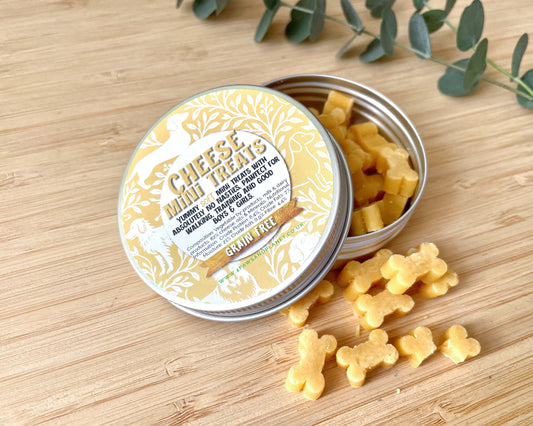
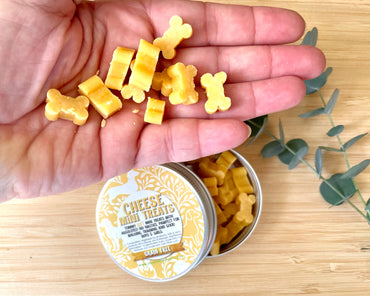
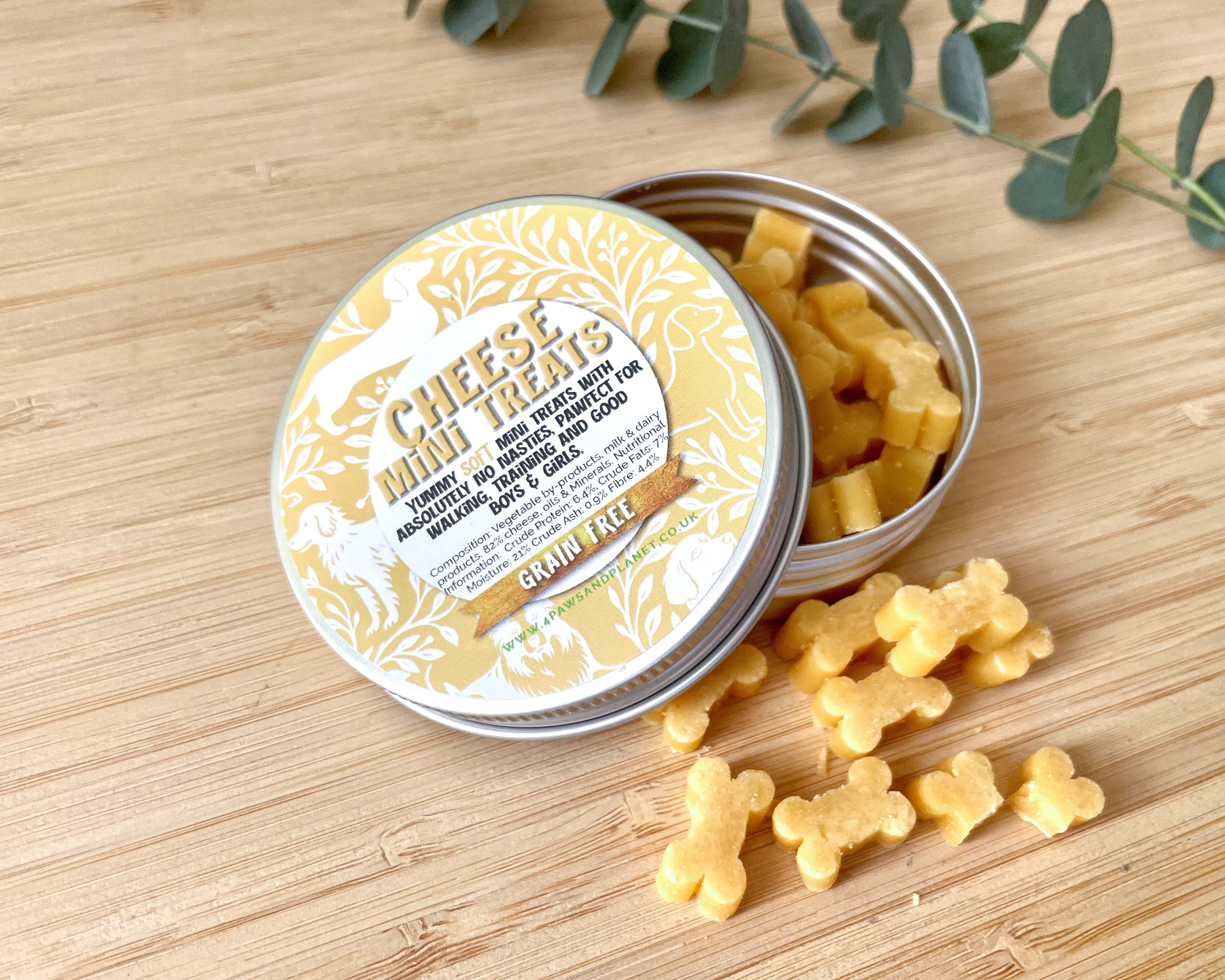
One of the main parts of our mission was to find delicious natural treats in all shapes and sizes, from Pocket Mini Treats to our Big Biscuits and everything in between we'll sure you will find something tasty for your dog!

Most senior dogs need comfort, consistency, and routines that adapt to their changing needs.

As dogs age, they may benefit from softer treats, gentler exercise, supportive bedding, and more opportunities to rest. Many senior dogs also enjoy predictable routines and familiar environments.

Every dog ages differently, but paying attention to changes in mobility, energy levels, and preferences can help you make adjustments that support their quality of life.

Dogs often become bored with toys when they no longer provide novelty, challenge, or interaction.

Many owners assume their dog needs more toys, when in reality they may need more variety in how those toys are used. Rotating toys, introducing scent-based games, or combining toys with training can help maintain interest.

It's also worth remembering that not all dogs are highly toy-motivated. Some dogs gain more enjoyment from sniffing walks, food-based enrichment, or spending time with their humans.

No. Dogs do not measure value in the same way humans do.

Most dogs care far more about comfort, interaction, routine, and enjoyment than they do about brand names or price tags.

A well-made product that lasts and genuinely benefits your dog may offer better value than a cheaper alternative, but expensive does not automatically mean better. The best products are the ones that suit your individual dog's needs.

Many good dog owners ask themselves this question from time to time.

A good dog owner pays attention to their dog's needs, provides appropriate care, and adapts as those needs change over time. No owner gets everything right all the time, and perfection is not required.

If your dog feels safe, loved, understood, and has their physical and emotional needs met, you're already doing many of the things that matter most.

Many good dog owners ask themselves this question from time to time.

A good dog owner pays attention to their dog's needs, provides appropriate care, and adapts as those needs change over time. No owner gets everything right all the time, and perfection is not required.

If your dog feels safe, loved, understood, and has their physical and emotional needs met, you're already doing many of the things that matter most.

Reducing your dog's environmental impact doesn't have to involve major lifestyle changes. In most cases, it comes down to making thoughtful decisions about the products you buy and how often you replace them.

Simple changes can include choosing longer-lasting toys, buying natural dog treats with minimal packaging, avoiding unnecessary purchases, and supporting businesses that prioritise sustainability.

The goal isn't to create the "perfect" eco-friendly dog lifestyle. It's to make small improvements over time that reduce waste while continuing to give your dog a happy, healthy life.

The healthiest treats for dogs are those that suit the individual dog's age, size, activity level, and dietary needs.

Many dog owners prefer natural dog treats because they often contain simpler ingredients and fewer artificial additives. However, healthy treats should also be fed in moderation as part of a balanced diet.

When choosing treats, look for clear ingredient lists, appropriate portion sizes, and products your dog genuinely enjoys. A healthy treat should support your dog's wellbeing without replacing their regular meals.

Mental stimulation is an important part of a dog's overall wellbeing and can be just as valuable as physical exercise.

Activities such as sniffing walks, training sessions, food puzzles, scent games, and exploring new environments all provide valuable enrichment. Even simple activities like scattering treats in the garden or teaching a new cue can encourage problem-solving and engagement.

Every dog is different. Some thrive on training challenges, while others are happiest following an interesting scent trail for twenty minutes.

Check out our DIY Enrichment Games for some low impact ideas created from everyday household items

As dogs age, their needs often become simpler rather than more complicated.

Many senior dogs benefit from softer treats, supportive bedding, gentler exercise, and more predictable routines. It's also helpful to pay attention to changes in mobility, energy levels, and preferences as these can gradually shift over time.

The most important thing is to adapt to your dog's pace. What worked at three years old may not be what they need at thirteen, and that's perfectly normal.

A sustainable dog product is one that delivers genuine value while creating less waste over its lifetime.

This often means choosing products that are durable, well-made, useful, and likely to be used regularly by your dog. Materials, packaging, and manufacturing processes can also play a role.

Perhaps the simplest question to ask is: "Will this genuinely improve my dog's life?" Products that are bought, loved, and used for a long time are usually more sustainable than products that are quickly forgotten or replaced.

Spoiling your dog doesn't have to mean buying more things.

For many dogs, their favourite experiences involve time, attention, and shared activities rather than new possessions. Longer sniffing walks, training games, enrichment activities, and quality time together can often be more rewarding than another toy.

When you do buy treats, toys, or accessories, focusing on quality rather than quantity can help reduce waste while still giving your dog something special. In many cases, the most sustainable choice is simply buying fewer things that your dog genuinely loves.

Simple choices. Happier dogs. Less waste.

Sustainable dog ownership isn’t about doing everything perfectly.

It’s about making better choices where you can, reducing waste over time, and focusing on what actually improves your dog’s life.

For most dogs, happiness is simple.

For most owners, sustainability is too — once it’s broken down properly.